Wohnungsbau Sentiment Improves Despite Persistent Order Shortages
Knorr-Bremse Acquires Dutch Digital Platform TRAVIS to Expand Commercial Vehicle Services
CSU's Guttenberg Defends Party's Incompatibility Resolution With Far-Right AfD
Winter Sports Face Reality Check with Roller Biathlon Exhibitions
German Naval Builder TKMS Sees Shares Jump 23% in IPO Launch
Global Beer Production Dominated by Three Major Corporations
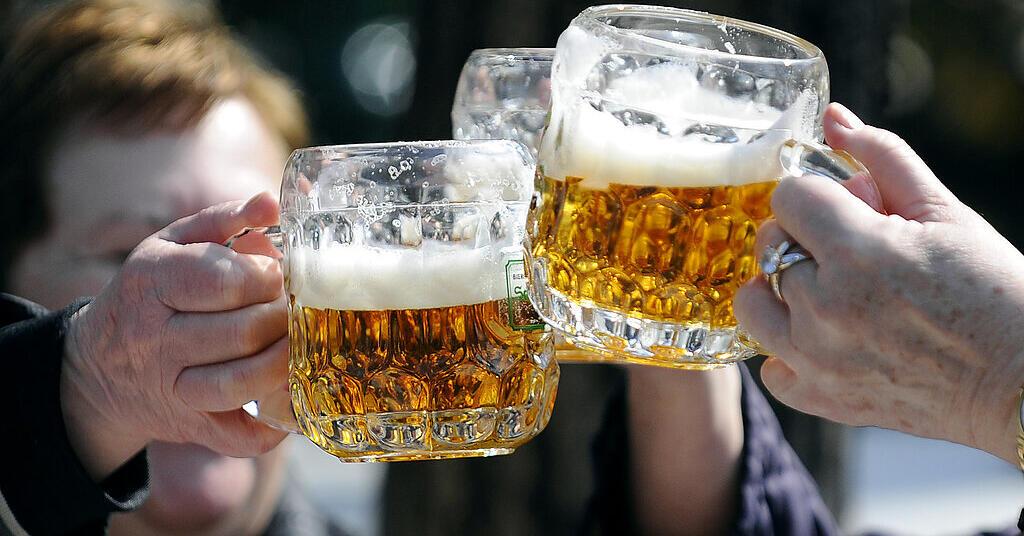
The global beer industry has seen a slight decline in production, with three major corporations accounting for nearly half of the world's beer output. According to data from the hop trader BarthHaas, the total production from the top 40 brewing groups fell to 1.64 billion hectoliters last year, a 0.6 percent decrease from the previous year. The Belgian conglomerate AB InBev led the pack, producing 495 million hectoliters alone, followed by Heineken from the Netherlands and China's Snow Breweries.
Despite the iconic status of German beer, fueled by the worldwide fame of the Munich Oktoberfest, Germany's presence in the global beer market remains minimal. The six largest German brewing groups combined produced only 42.5 million hectoliters, a fraction of the output by the top three global players. The Radeberger Group, the largest German beer corporation, ranks 23rd globally, highlighting the disparity in production scales.
The pressure on small and medium-sized breweries is intensifying worldwide, with rising raw material and energy costs cited as primary challenges. These financial strains have led to operational closures, mergers, and market exits, particularly in Europe. The German Brewers Association reports that the number of breweries in Germany has dwindled to about 1,500, with Bavaria home to over 620 of them.
This consolidation trend underscores the competitive and financial hurdles facing smaller breweries in an industry dominated by a few giants. As the global beer market continues to evolve, the survival of traditional and craft breweries hangs in the balance, caught between rising costs and the overwhelming market share of the world's largest beer producers.